Content marketing for golf courses is becoming an increasingly important part of marketing strategies for golf courses and golf resorts as golfer search behavior continues to evolve. In 2026, a golfer may begin by searching for a golf course on Google, discovering images on Instagram, watching videos on YouTube or TikTok, reading reviews from other golfers, checking Google Maps and asking specific questions through AI powered search tools.
This creates a new requirement for golf courses. Content should not only create visibility, but also support the entire golfer journey, from the moment they begin searching and discovering a destination to evaluating their options, planning their trip and making a booking.
An effective content marketing for golf courses should therefore connect SEO, local search, social media, video, storytelling and conversion rather than focusing only on publishing blog articles or social media posts.
So, how should golf courses optimize their content marketing strategy in 2026? Here are 10 key areas to focus on.
1. Build Content Marketing For Golf Course Around Golfer Search Intent
One of the most important changes in modern SEO is the need to understand the reason behind a search rather than focusing only on individual keywords. A golfer searching for “best golf courses in Vietnam” may still be exploring different destinations. Someone searching for “golf course near Hoi An” may already be closer to choosing where to play.
For this reason, a content strategy should cover different stages of the golfer’s journey.
For example, a golf course in Da Nang could develop content such as:
• “Best Golf Courses in Da Nang”
• “Golf Courses Near Hoi An”
• “Best Time to Play Golf in Central Vietnam”
• “Da Nang Golf Travel Guide”
• “5 Day Golf Itinerary in Central Vietnam”
These topics can help a golf brand reach golfers at different stages before they make a booking. The key principle is simple: instead of asking “What should we post today?”, start by asking “What are golfers searching for?”
2. Build a Connected Content Structure Instead of Isolated Blog Posts
A golf website can have a large number of articles and still lack a strong content structure if those articles are not connected. Instead of producing unrelated blog posts, golf courses can build a connected content structure around the topics they want to be known for. For example, if a golf resort wants to develop the topic of Central Vietnam Golf, it could create a main guide covering golf in Central Vietnam and connect it with supporting content such as:
• Golf courses in the region
• Golf resorts
• Golf itineraries
• Golf seasons and weather
• Transportation and travel information
• Nearby destinations and attractions
• Golf packages
These articles can then lead visitors to commercial pages such as golf experiences, tee time information, accommodation and contact or booking pages. This structure creates a deeper and more useful content ecosystem, helping visitors move naturally from general information to specific golf experiences and booking opportunities.
3. Make Local SEO Part of the Content Strategy
For golf courses, location plays an important role in the booking decision. Golfers often search based on destinations and proximity, such as:
• Golf courses in Da Nang
• Golf courses near Hoi An
• Golf resorts in Vietnam
• Golf courses near me
• Best golf courses in Central Vietnam
Local SEO therefore should go beyond optimizing a Google Business Profile.
The website should provide practical information about the golf course location, distance from the airport, travel time, nearby cities and destinations, and how the golf course can fit into a wider travel itinerary.
For example, instead of simply stating that “our golf course is located in Da Nang,” the content could explain that the course is conveniently located near Da Nang International Airport and Hoi An, making it suitable for golfers combining a golf holiday with a wider Central Vietnam itinerary.
This type of information supports search visibility while also helping golfers make a more informed decision.
4. Invest in Video and Visual Content
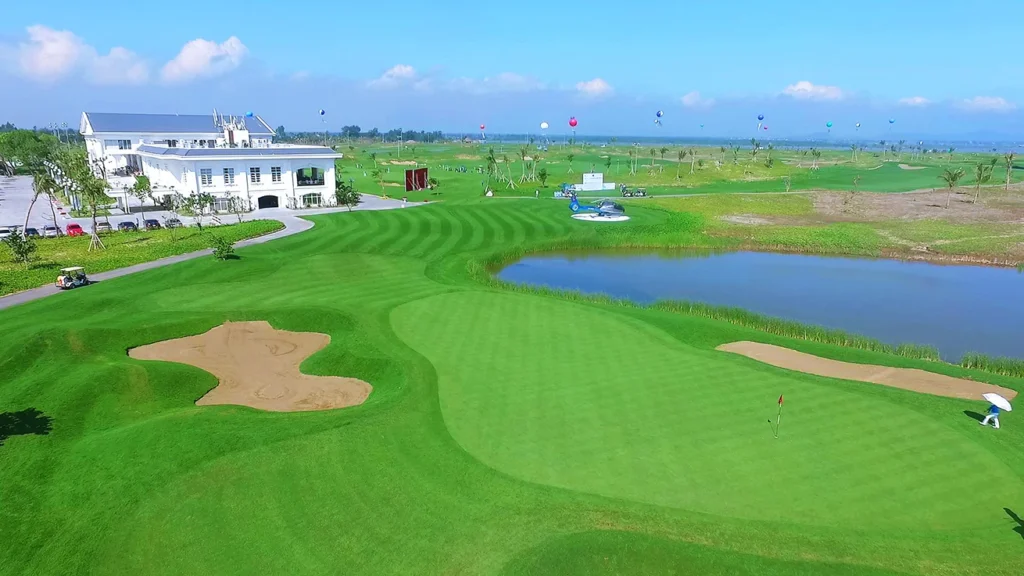
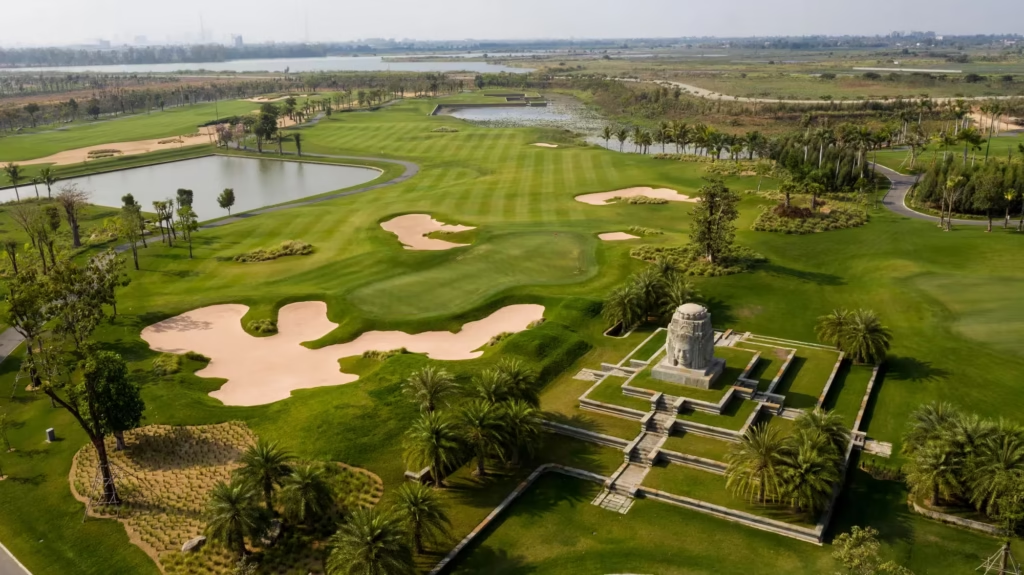
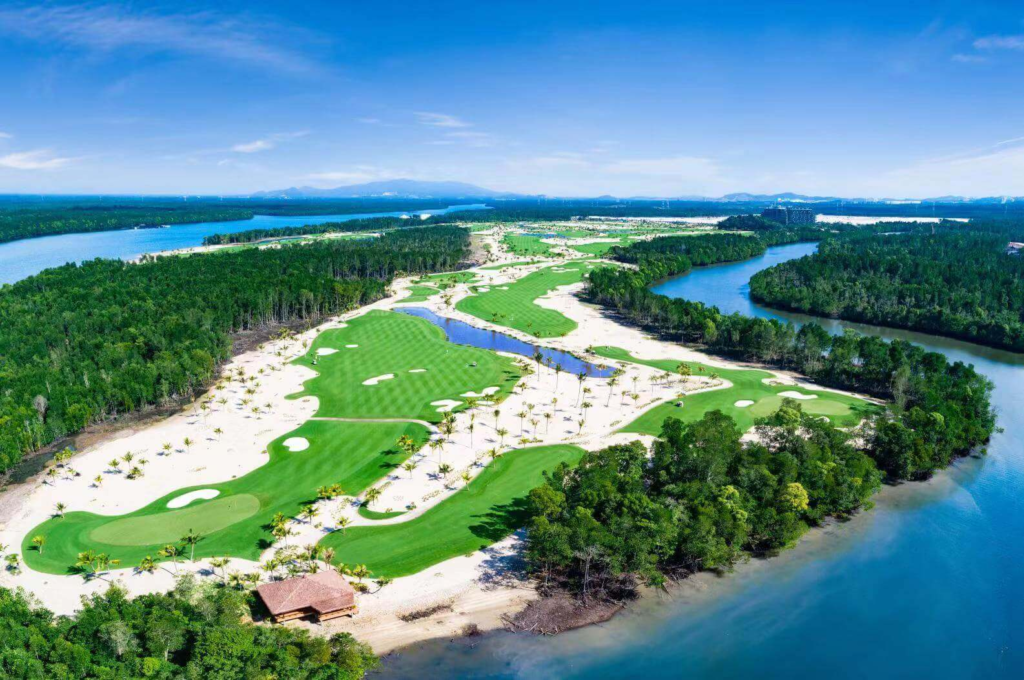
For golf, images and video play an important role because the experience of playing a course can be difficult to communicate through text alone.
Golf courses can develop visual content that allows golfers to better understand what the experience is actually like. This can include full course tours, individual hole features, aerial footage, seasonal landscapes, clubhouse areas, restaurants, accommodation and other facilities. Short form videos can also be distributed across Facebook, Instagram, TikTok and YouTube to reach golfers at different stages of their research journey.
The purpose of visual content should go beyond simply showing that a golf course looks beautiful. It should help golfers answer practical questions such as whether the course suits their playing level, what makes the experience distinctive, what the surroundings are like and what they can expect when they arrive.
5. Focus on the Golf Experience, Not Only the Course Description
Information about course design, scenery, facilities and service remains important when applying content marketing for golf courses. At the same time, content can go further by showing what the actual experience may feel like for a golfer.
Rather than focusing only on the physical characteristics of the course, content can tell stories around the golfer’s experience. This could include playing a coastal hole in the morning, enjoying a particular view from a memorable part of the course, watching the sunset after a round or combining golf with a resort stay and local experiences.
This approach allows golfers to understand not only what the golf course offers, but also what their experience could look like when they visit. It also gives each golf course more room to communicate its individual character and create a stronger connection with potential visitors.
6. Create Content for Different Types of Golfers
Not every golfer searches for the same information. An international golf traveler planning a golf holiday may have very different needs from a corporate group looking for a venue for a golf event. Golf courses can therefore identify their key customer groups and develop content around the specific needs of each audience.
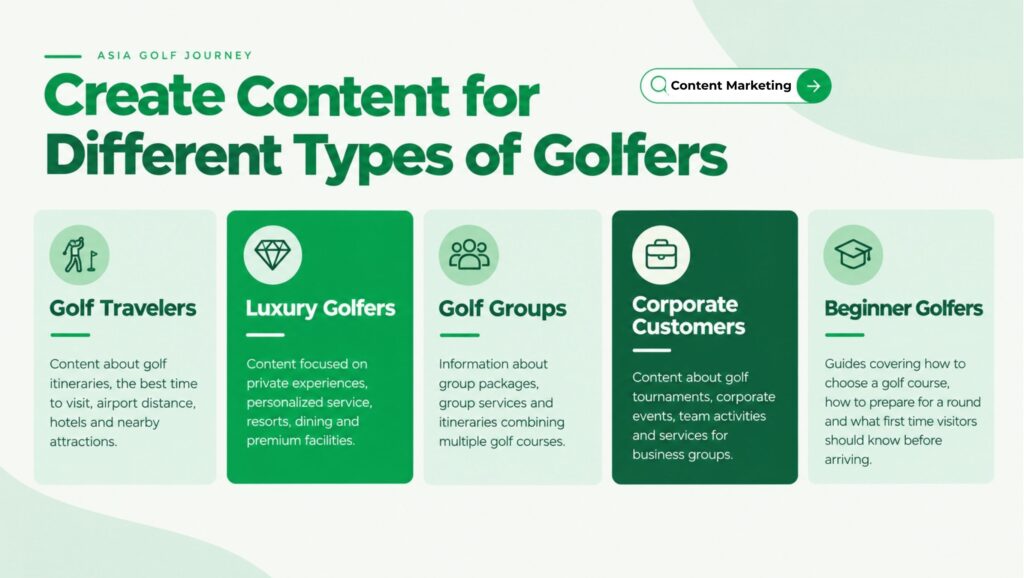
Content for different types of golfer
When content is developed around specific needs, it can attract more relevant searches and help move potential customers closer to a booking decision.
7. Turn Golfer Generated Content Into a Marketing Asset
Images, videos and reviews created by golfers can become valuable content for a golf course. These real experiences can provide an additional layer of credibility and help potential visitors understand what it is like to play and stay at the destination. Golf courses can encourage golfers to share photos after their rounds, tag the location, use a relevant hashtag or share their experience on social media. With permission, suitable content can then be featured on the website, social media channels, golf course pages or marketing campaigns.
The opportunity goes beyond simply reposting individual images. Golf courses can turn these experiences into stories such as “A Day of Golf at…”, “What Golfers Say About…”, or “Memorable Moments After a Round”. This allows golfer generated content to become a natural part of the brand story while bringing real experiences into the strategy of content marketing for golf courses.
8. Optimize Content for AI Powered Search
As more people use search tools that incorporate AI, the way golf courses structure their information also needs to evolve. Content should not only be visible on Google. It should also be clear, accurate and well structured so that search systems and AI tools can understand the information correctly.
Golf courses should provide the practical information golfers are likely to look for, including location, airport distance, number of holes, course length, grass type, course design, facilities, operating hours, indicative pricing, playing policies and booking information.
Frequently asked questions should also be answered directly rather than simply directing visitors to another page.
Examples include:
- “How far is the golf course from Da Nang International Airport?”
- “What is the best time to play golf in Central Vietnam?”
- “Which destinations can be combined with a golf trip to this course?”
The clearer and more structured the information is, the easier it becomes for search systems and AI tools to understand and present it to relevant users.
9. Connect Content With Booking Opportunities
A blog article can generate significant traffic without creating meaningful business value if visitors do not know what to do next. Each piece of content should therefore play a role in the journey from discovery to consideration, planning and booking.
For example, a golfer searching for “Best Golf Courses in Central Vietnam” may first read a general guide. From there, they can discover a “5 Day Central Vietnam Golf Itinerary”, followed by a page featuring golf packages and eventually a booking page or inquiry form.
This structure helps the website move visitors from information to action. Calls to action should also match the purpose of each page. An informational article can guide readers toward related content, while a golf course or golf package page can encourage visitors to check availability, submit an inquiry or make a booking. The goal is to make the next step clear without interrupting the visitor’s research experience through content marketing for golf courses.
10. Measure Business Performance Across Multiple Metrics
Website traffic is an important metric of content marketing for golf courses, but it should not be the only measure of content marketing performance. An effective content marketing for golf courses should be evaluated across several levels. Is the golf course appearing when golfers search? Is the content reaching the right audience? Are visitors continuing to explore the golf course? Are they submitting inquiries or making bookings?
Key areas to measure include:
- Search Visibility: Keyword rankings, Google impressions and organic search traffic.
- Engagement: Time spent on content, pages viewed, video views and social media engagement.
- Customer Actions: Clicks to booking pages, inquiry forms, phone calls and direct contact.
- Business Results: Bookings, qualified leads and revenue generated through content and digital marketing activities.
The ultimate purpose of content is not simply to produce more articles or generate more views. It is to help a golf course get discovered, build consideration and generate booking opportunities.
Asia Golf Journey: Your Trusted Golf Marketing Partner
A strong content marketing for golf courses can support the golfer’s journey from discovery and exploration to planning, booking and sharing the experience. For golf courses and golf resorts, this creates an opportunity to build a more consistent digital presence while connecting marketing activity with commercial objectives.
Asia Golf Journey helps golf courses and golf resorts develop marketing strategies built around their target golfer markets, brand positioning and business goals. Our Golf Marketing Package brings together content strategy, SEO, online visibility, visual content, social media and targeted golf marketing to create a stronger presence across the golfer journey. The focus is on connecting the right content with the right audience and creating clear pathways from online discovery to genuine booking opportunities.
Looking to strengthen your golf marketing strategy in 2026? Talk to Asia Golf Journey about a Marketing Package tailored to your golf course or golf resort.
📧 Email: creative@asiagolfjourney.com
📞 Hotline: +84 982 117 466
The Leading Strategic Partner for Golf, Sports, Tourism & Hospitality in Vietnam