When guests plan a golf getaway, a luxury resort holiday, or a wellness escape, their first impression is formed long before they arrive. In just a few seconds, visitors begin judging your brand through its design, storytelling, photography, and overall digital experience. The world’s leading luxury hospitality brands understand this better than anyone. Their websites don’t simply showcase rooms or facilities, they build anticipation, communicate brand value, and inspire guests to imagine themselves already there.
In this first episode of Learn from Leaders of Asia Golf Journey, we’ll explore what leading luxury hospitality brands get right and how we can apply these same principles to create stronger first impressions and drive more direct bookings.
1. Hero Sections That Create an Emotional First Impression
Lessons from Aman & Six Senses
Visit the homepage of Aman or Six Senses and one thing immediately stands out, not what has been added, but what has been intentionally removed. Instead of overwhelming visitors with promotional banners, multiple calls to action, or crowded navigation menus, both brands create space for a single objective: making visitors feel something within the first few seconds.
This isn’t simply an exercise in minimalist design. It reflects a broader principle in luxury hospitality marketing: before guests compare prices or facilities, they first evaluate how a brand makes them feel.
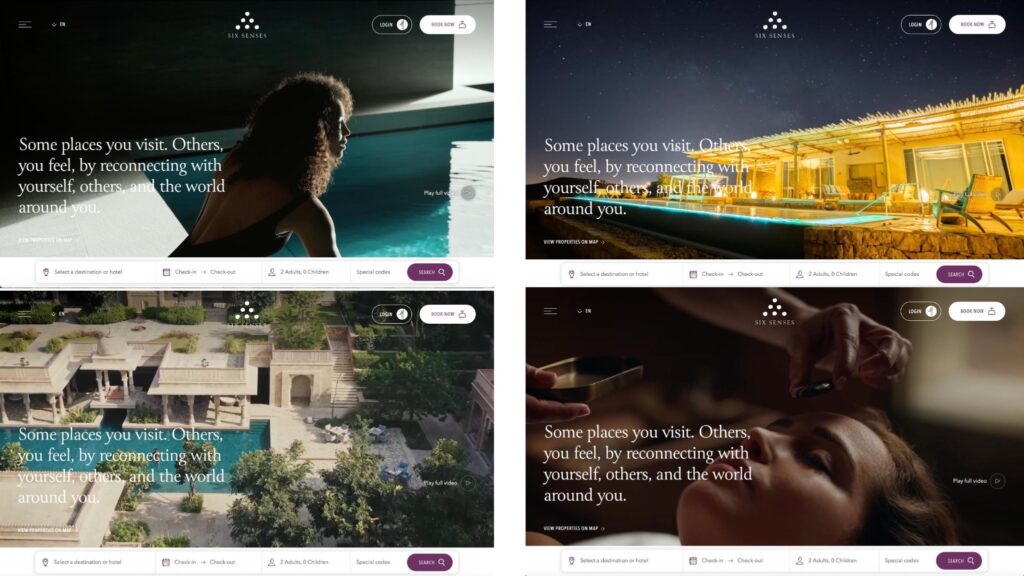
Hero Sections with impressive full-screen cinematic visuals of Six Senses Brand
(Images captured from Six Senses website)
Across many of the world’s leading luxury resort websites, four characteristics appear consistently:
- Full-screen cinematic visuals that immediately immerse visitors in the destination instead of showcasing facilities.
- Minimal copywriting, often limited to a single headline that allows imagery to take the lead.
- Elegant typography and generous white space, reinforcing a sense of sophistication and confidence.
- Subtle motion and micro-interactions, creating a browsing experience that feels smooth, refined, and intentionally crafted.
Another noticeable difference from luxury resort websites is the pacing of the visual storytelling. Rather than quickly cycling through every restaurant, room category, or recreational facility, Aman and Six Senses deliberately slow visitors down. A sunrise over the mountains, waves breaking against the shoreline, guests walking through tropical gardens, or a quiet dinner beneath the stars all invite visitors to imagine themselves inside the experience. This slower rhythm reflects the experience the brands promise to deliver. Luxury is associated with calm, exclusivity, and escape without urgency.
The first impression should focus on one question:
“Can visitors picture themselves here?”
If the answer is yes, they will naturally continue exploring. Technical details, pricing, facilities, and booking options become significantly more persuasive once an emotional connection has already been established.
Key Takeaways:
- Use cinematic visuals to communicate emotion rather than inventory.
- Reduce visual clutter by prioritising one primary message.
- Treat motion, typography, and white space as priority, not decorative elements.
2. Storytelling That Sells an Experience, Not a Room
Lessons from Soneva & Bawah Reserve
Brands like Soneva and Bawah Reserve rarely begin by talking about room categories, facilities, or package inclusions. Instead, they immerse visitors in a destination, a lifestyle, and a feeling. By the time guests reach the accommodation details, they’ve already started imagining themselves there. Rather than asking “What do we offer?”, they answer a far more important question: “What will guests experience here?”
The first defining characteristic is their lifestyle-first messaging. Throughout the websites, the focus isn’t on buildings or facilities, but on people and moments. Photography and copy consistently depict experiences such as dining under the stars, exploring remote islands, practising wellness, or spending uninterrupted time with family. Instead of telling visitors what the resort offers, the websites show what life could feel like during their stay.
The storytelling also unfolds gradually through long-form visual narratives. Large editorial-style photography, cinematic videos, generous white space, and concise copy work together to reveal the destination one chapter at a time. Each section builds anticipation, allowing visitors to naturally progress from discovery to accommodation, dining, wellness, sustainability, and local experiences.
Finally, both brands demonstrate the power of emotional copywriting. Their language rarely focuses on features or specifications. Instead of describing a villa’s size or amenities, the copy emphasises feelings of privacy, reconnection, discovery, and belonging. The writing reads more like a luxury travel magazine than a traditional hotel brochure, helping visitors imagine the experience long before making a booking.
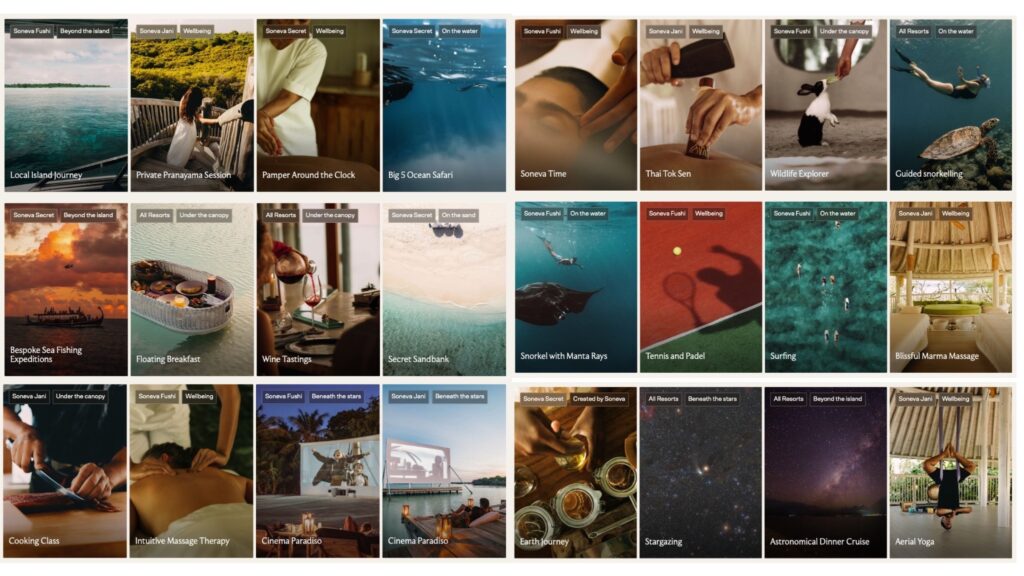
The visual answers for the question “What will guests experience here?” on Soneva website (Image source: Soneva website)
How to apply this to your property:
- Show guests the lifestyle they’ll experience, not just the facilities they’ll use.
- Build a narrative that unfolds naturally instead of presenting everything at once.
- Write a copy that creates emotion before delivering information.
Elevate your hotel or resort’s first impression with AGJ’s professional Golf Photography Package:
📞 +84 982 117 466
📧 creative@asiagolfjourney.com
3. The Visual Concept Is Unique And Effectively Conveys The Brand’s Message
Lessons from The Brando & Cheval Blanc
Photography is often the first thing visitors notice and on luxury hospitality websites, it’s also one of the strongest storytelling tools. The websites of The Brando and Cheval Blanc rarely rely on perfectly staged promotional images. Instead, they use photography to communicate atmosphere, emotion, and a sense of place. Every image feels intentional, helping visitors imagine not just what the property looks like, but what it feels like to experience it.
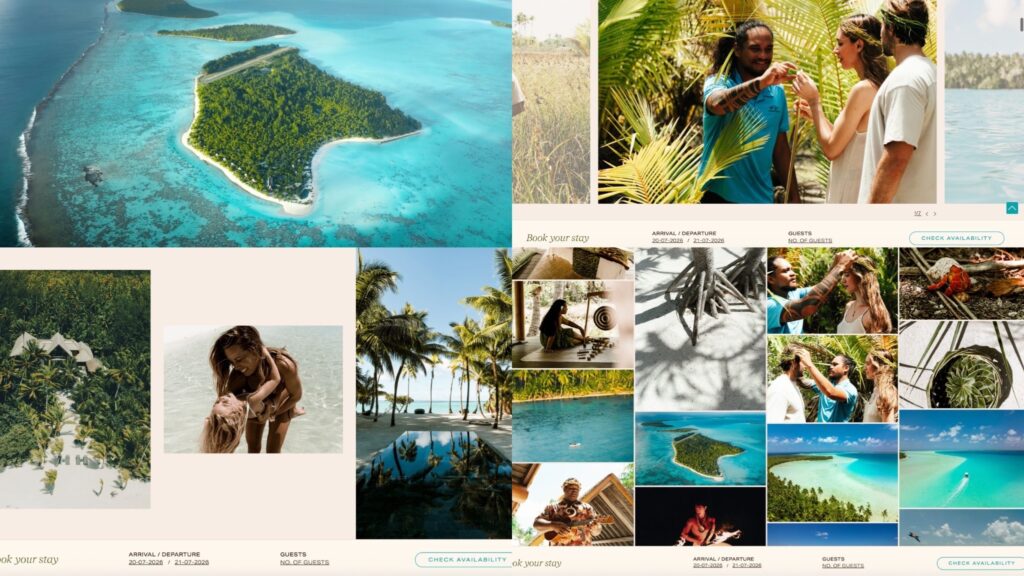
The visual reflects the authentic moments on The Brando’s website
(Image source: The Brando website)
Several visual principles appear consistently across both brands:
- Natural lighting: Sunrise, golden hour, and soft daylight create warmth and authenticity, making spaces feel inviting rather than overly polished.
- Lifestyle photography: Guests are shown naturally interacting with the destination (sharing a meal, relaxing by the beach, or exploring the surroundings) instead of posing for the camera.
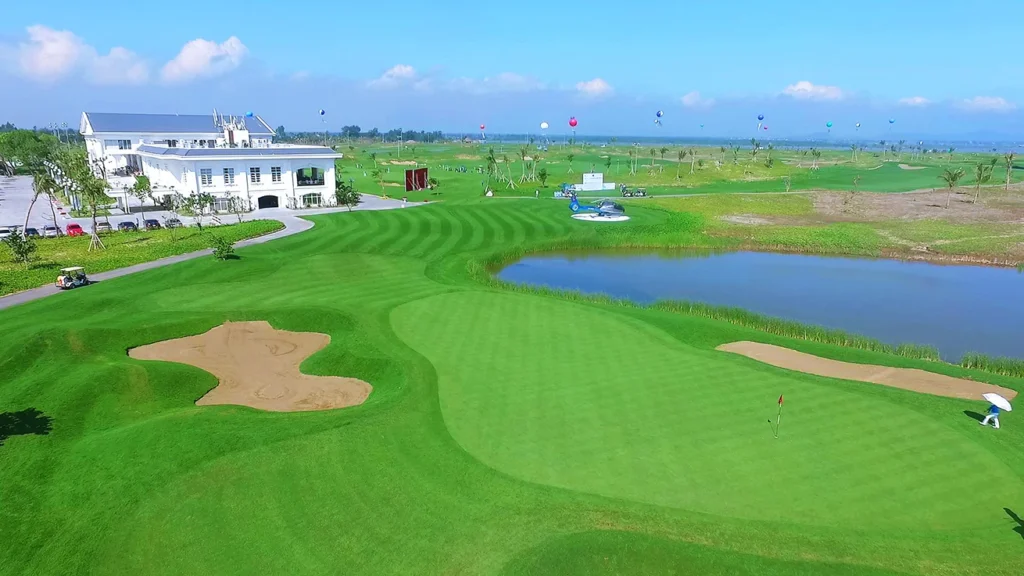
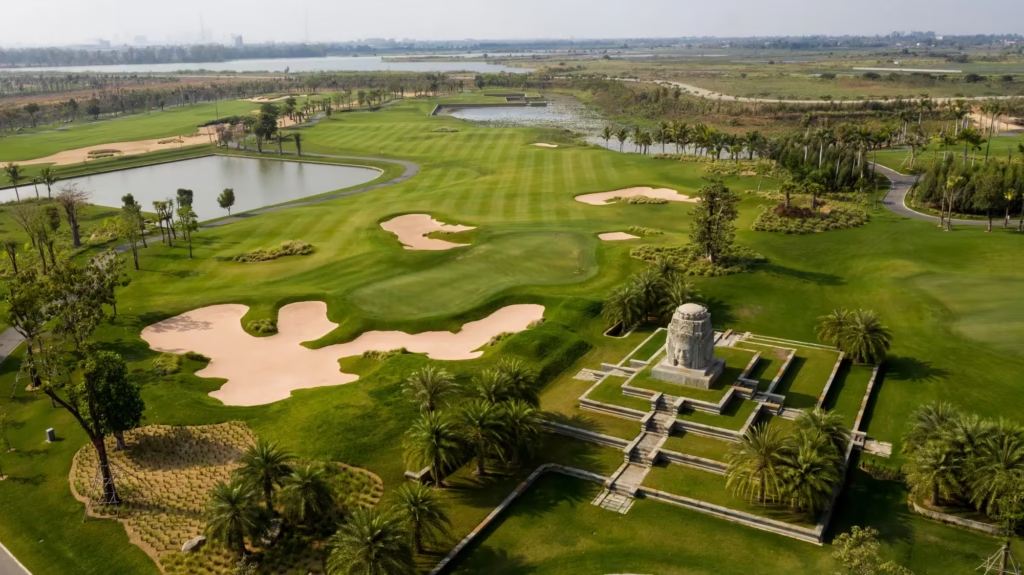
- Drone and landscape imagery: Wide aerial shots establish the property’s relationship with its environment, showcasing coastlines, forests, mountains, or signature landscapes before focusing on individual facilities.
- Authentic moments: Rather than trying to capture perfection, the imagery highlights genuine experiences that allow visitors to picture themselves there.
Another notable characteristic is consistency. Across every page, photography follows the same visual language, creating a seamless experience that reinforces the brand’s identity from the homepage to the booking page.
How to apply this to your property:
- Use drone imagery to showcase the destination, not only the facilities.
- Build a consistent visual style across the entire website.
How AGJ Brings These Principles to Golf & Hospitality Brands
We believe a website should do more than look beautiful, it should support business growth. Our Website Design Package and Photography Package combine luxury hospitality design principles with the practical needs of golf courses, resorts, hotels, and destination brands. From user experience and visual storytelling to content strategy and SEO, every element is designed to create stronger first impressions and encourage more direct enquiries and bookings.
Get in touch with our team for a free website audit and discover how we can adapt luxury brand website standards for your one!
📧 Email: creative@asiagolfjourney.com
📞 Phone: +84 982 117 466
The Leading Strategic Partner for Golf, Sports & Hospitality in Vietnam